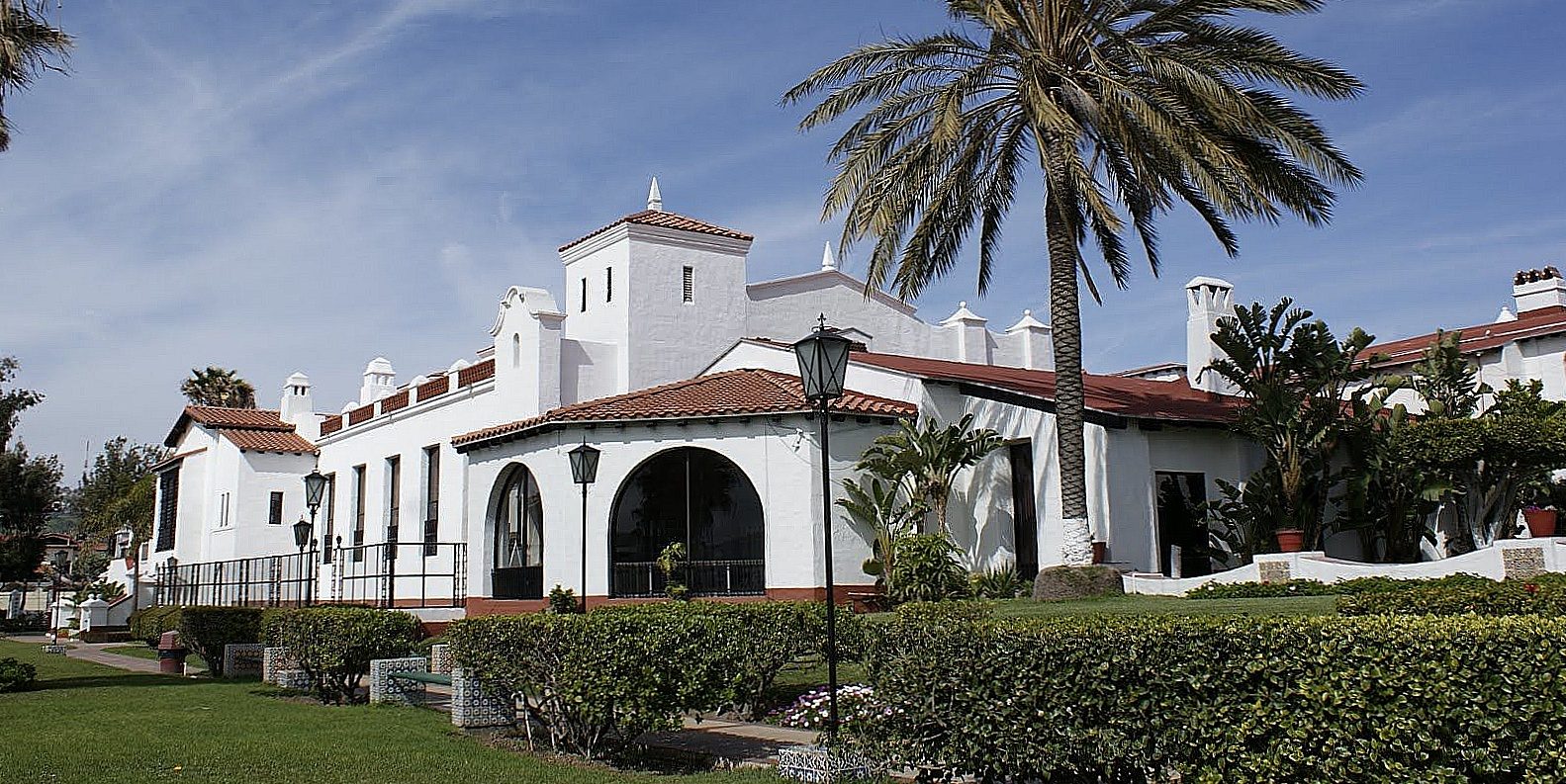
Riviera del Pacifico
15 min walk
This historic cultural center offers insight into the region's mid-century architecture and hosts gardens that provide a quiet setting near the terminal.

Ensenada appears on West Coast itineraries far more often than its harbour size suggests, and the reason owes more to American statute than to the view across Todos Santos Bay. This why do cruise ships stop in Ensenada guide sets out the legal rule behind the call, the geography that makes the port convenient, and what a short stop realistically allows. The plain answer comes first; logistics follow.
Quick answer
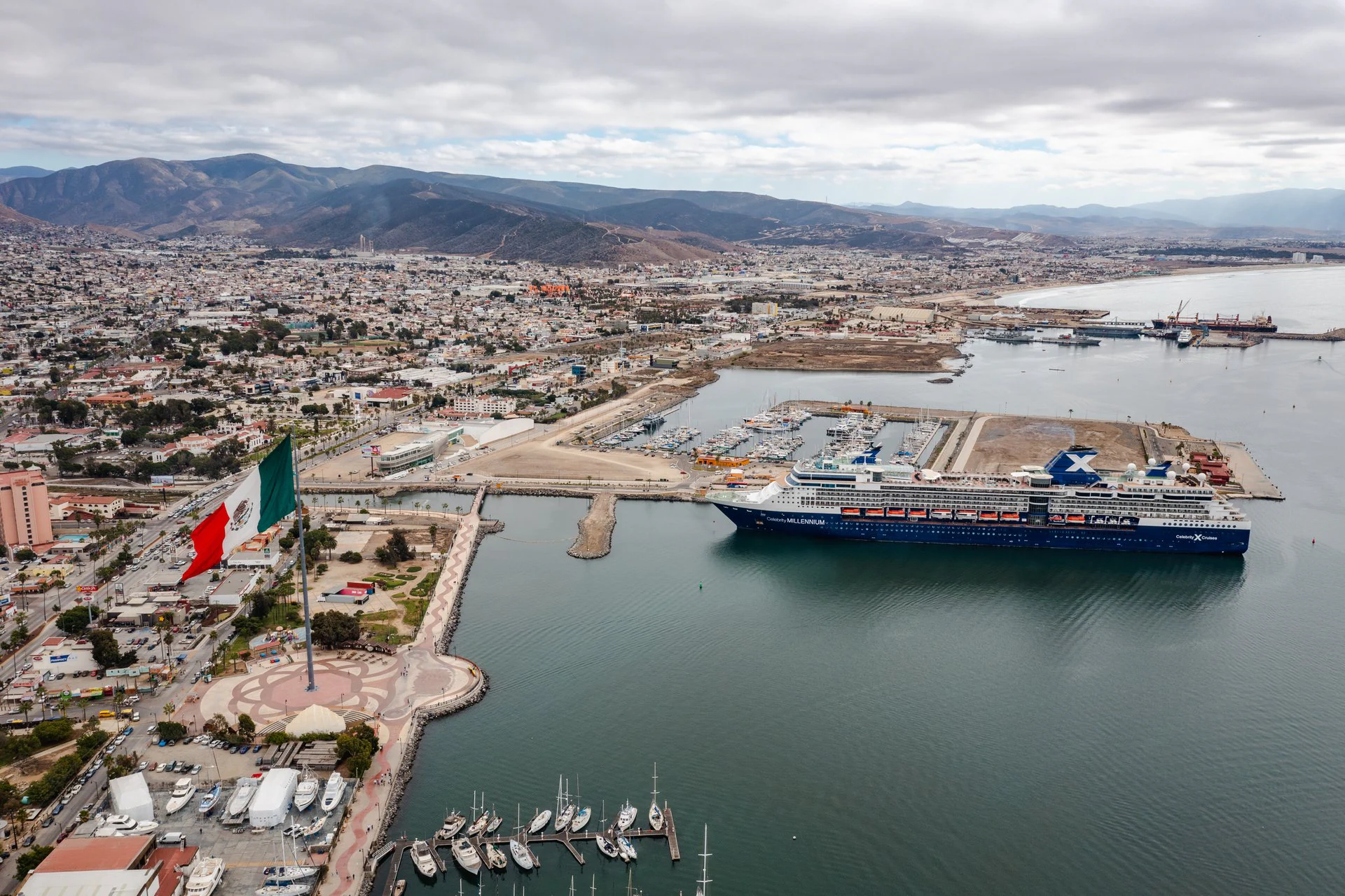
Cruise ships stop in Ensenada to satisfy US maritime law, and the port makes it simple: the terminal is open 00:00–23:59 with free entry, 0 USD. Foreign-flagged vessels sailing between two American ports must include a foreign call, and Ensenada is the nearest to Los Angeles, Long Beach and San Diego. Some calls last only a few hours, so shore time is shorter than the terminal's hours suggest.
Ensenada handles more cruise passengers than any other port on Mexico's Pacific coast, and a large share of those visitors are aboard ships that are legally obliged to be there. The Passenger Vessel Services Act, a United States law dating to 1886, prevents foreign-flagged vessels from carrying passengers between two American ports without calling somewhere foreign in between. Almost every large ship homeported in Los Angeles, Long Beach or San Diego flies a foreign flag. That single clause is the short answer to why do cruise ships stop in Ensenada, and it explains the peculiar rhythm of arrivals in Todos Santos Bay. Geography does the rest. Ensenada lies close enough to Southern California that a ship can leave Long Beach in the evening and be alongside by morning, which is why the port absorbs so many weekend sailings and Hawaii repositioning runs. Not all of these port calls look alike. Some vessels dock for a full day, releasing thousands of passengers onto Avenida López Mateos and the malecón; others make brief overnight or late-evening calls that exist mainly to satisfy the statute, and passengers barely leave the terminal. Spanish-speaking travellers asking ¿por qué los cruceros paran en Ensenada? get the same two-part answer: the law first, then the convenient distance. Checking the ship's published all-aboard time against the arrival hour tells a visitor which kind of call they have. The city has shaped itself around that arithmetic. Ensenada cruise excursions are built in blocks that fit between gangway and all-aboard: a run inland to the Valle de Guadalupe vineyards, a coastal drive to La Bufadora, a guided circuit of the 1930s Riviera del Pacífico, or an unhurried afternoon of fish tacos and Hussong's Cantina, open since 1892. Visitors with six hours ashore plan differently from those with ten. Treated as a planning question rather than trivia, why do cruise ships stop in Ensenada becomes useful information. A call driven by legal necessity tends to be short, which argues for a pre-booked tour with a stated return time instead of improvising at the pier. A full-day call leaves room for Baja California landmarks further from the waterfront. Either way, the answer sets the length of the day, and the day sets what is worth booking before the ship ever reaches Todos Santos Bay.
“A port call driven by legal necessity tends to be short, and the length of the call decides what is worth booking.”
Ensenada serves as a critical maritime gateway due to its strategic position along the Pacific coast of Baja California. Its proximity to major southern California ports and its status as the primary access point to regional viticulture make it a frequent stop for cruise vessels.
Ensenada is located approximately 80 nautical miles south of San Diego, making it the closest international port of call for cruises departing from Southern California.
The city serves as the main logistical hub for accessing Valle de Guadalupe, the region responsible for producing approximately 90 percent of Mexico's wine.
Cruise ships departing from U.S. ports must visit a foreign port to comply with the Passenger Vessel Services Act of 1886.
The Port of Ensenada features a deep-water harbor capable of accommodating large-scale commercial and cruise vessels year-round.
Ensenada functions as a primary maritime transit point for vessels navigating the coast between the United States and the Gulf of California.
Its geographic location allows cruise lines to offer short-duration itineraries that cater to passengers seeking quick international travel options.
The port infrastructure supports the movement of regional goods, linking Baja California's agricultural and wine output to broader shipping networks.
The best arrival window for cruise ships in Ensenada is 07:00–18:00. This period aligns with daylight hours, ensuring optimal conditions for shore excursions and port operations.
Mild, 65°F–70°F
Spring offers comfortable temperatures for exploring the city and surrounding vineyards.
Warm and sunny, 70°F–80°F
This peak season features consistent sunshine, ideal for coastal excursions and water-based activities.
Pleasant, 68°F–75°F
Autumn provides stable weather conditions before the winter rainfall patterns begin.
Verdict: The best time to visit is during the 07:00–18:00 arrival window in the months of April, May, September, or October.
The cruise terminal in Ensenada maintains consistent access for visitors throughout the week. These hours reflect the operational availability of the facility for arriving passengers.
Access to the Ensenada cruise terminal and its immediate public areas does not require an entrance fee. Visitors may explore these designated zones without purchasing admission tickets.
Verdict: A typical adult pays 0 USD for access, as there are no entrance fees required to enter the terminal area.
Ensenada serves as a gateway to both cultural urban experiences and unique natural phenomena. These locations are positioned to accommodate the limited shore time typical of cruise arrivals.
15 min walk
This historic cultural center offers insight into the region's mid-century architecture and hosts gardens that provide a quiet setting near the terminal.
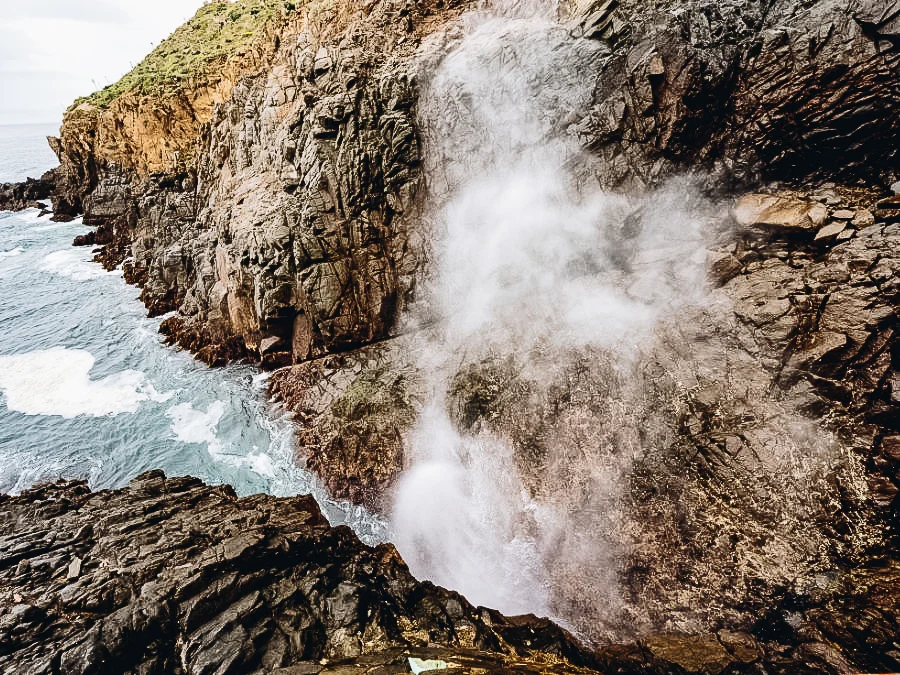
30 min drive
As one of the largest marine geysers in North America, this site highlights the rugged coastal geography that defines the Baja Peninsula.
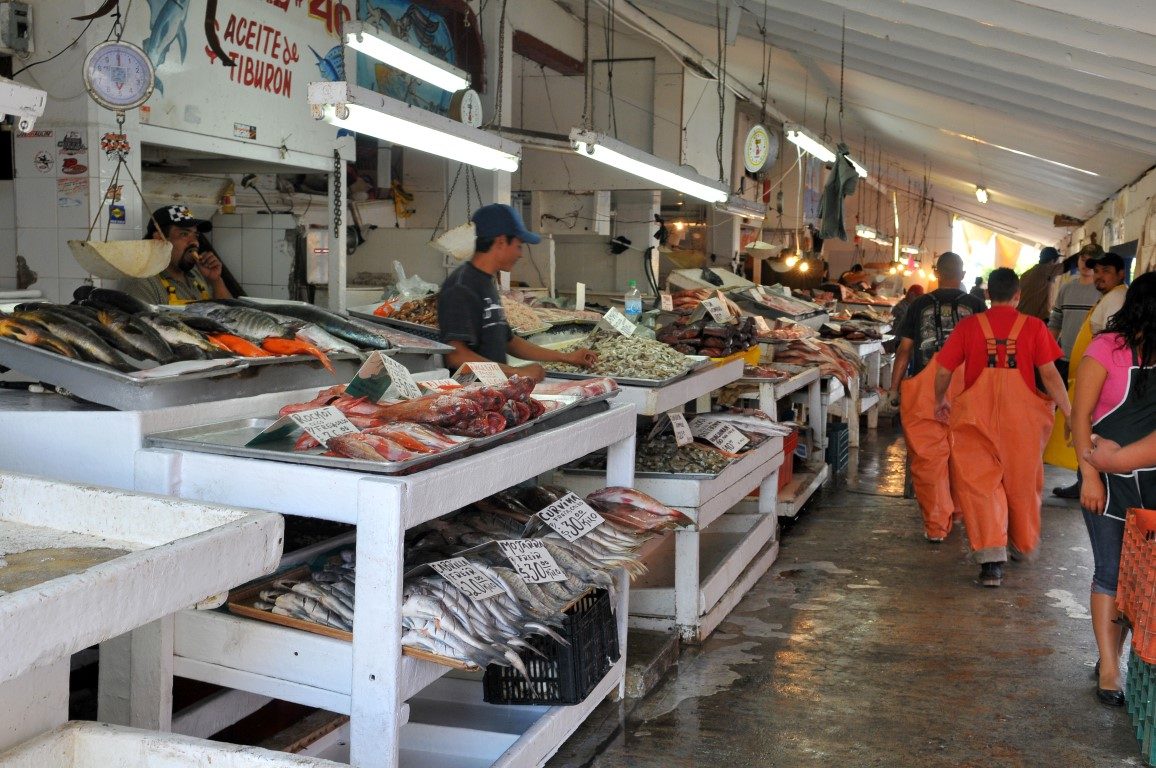
10 min walk
Located near the port, this market allows visitors to observe local trade and sample regional culinary staples like fish tacos.
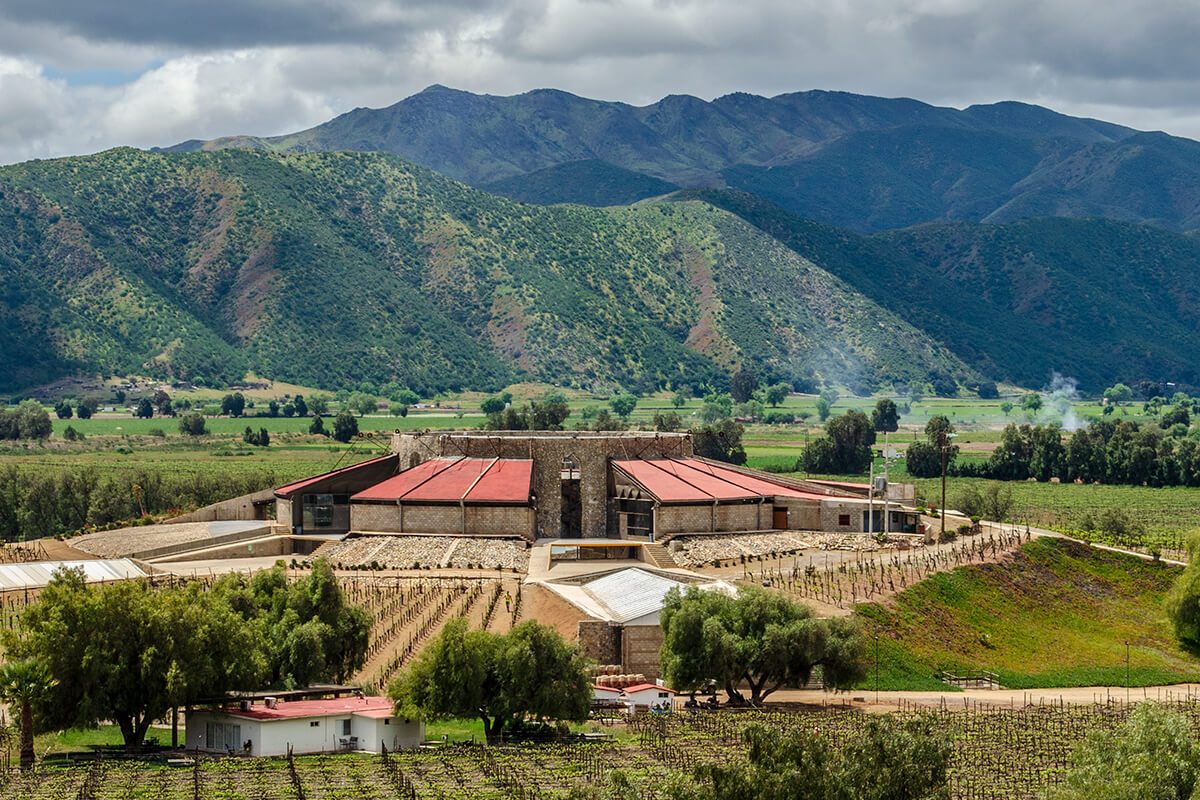
15 min walk
This is one of the oldest wineries in the region, offering a convenient way to learn about the local viticulture industry without traveling far from the cruise docks.
Because Ensenada is a foreign port of call, most of the preparation happens before you board, not at the pier.
Everything you need to know about why do cruise ships stop in ensenada
Cruise lines include this port as a convenient international destination on short voyages from Southern California. The proximity to the coast makes why do cruise ships stop in Ensenada a strategic logistical choice for itineraries.
Yes, many passengers participate in an Ensenada coastal tour to explore local vineyards and natural landmarks. Booking guided outings helps you maximize your limited time in port.
The region serves as a popular gateway to the Valle de Guadalupe wine country and diverse maritime landscapes. Understanding why do cruise ships stop in Ensenada allows travelers to appreciate the cultural depth of this Baja California port.
While bunkering and provisioning occur, the primary reason for these visits remains passenger tourism and itinerary variety. This is why do cruise ships stop in Ensenada to balance operational needs with guest enrichment.
Visitors often spend time exploring the waterfront, local markets, or nearby geysers. These diverse local attractions offer a glimpse into regional traditions and flavors.
There is no cost to access the terminal area, as it is a public-access zone for cruise guests. Entry to the cruise terminal and public areas of Ensenada is 0 USD.
The best arrival window is 07:00–18:00 to ensure enough time for shore activities. Arriving during these daylight hours provides the best opportunity to explore the city and local excursions.
Families can enjoy various cultural experiences and outdoor activities throughout the city. Planning your day around the local schedule helps ensure a smooth experience for all ages.